 Skip to Main Content








This blog is for informational purposes only and does not provide medical advice; see our full disclaimer for more information.
If your little one isn’t a fan of meat, you’re not alone. Meat refusal is common in toddlers and young kids—and it’s usually not as alarming as the internet might have you think. Let’s discuss.
How much protein do kids really need?
According to O’Farm expert Alicia "Chacha" Miller, MS, RD, LDN, most children need far less protein than social media might lead us to believe. What does that look like?
- Toddlers: ~13g per day
- School-Aged Kids: 19–34g per day
Exact needs depend “on their age, activity level, and general build,” notes Chacha. “Most children easily meet those needs without anyone counting exact intake.”
This is true even when a child doesn’t eat meat. “For the average child who eats a variety of grains, beans, dairy (or dairy alternatives), nuts, and seeds, true protein deficiency is very uncommon,” she explains.
Should we be concerned about too much or too little?
For most kids, protein intake isn’t a concern. Children with relatively typical eating habits are likely getting plenty.
“Kids who eat very limited diets,” however, notes Chacha, “especially those avoiding entire food groups or eating only a handful of preferred foods—may need a closer look."
What about too much? Generally not a concern either. Chacha recommends against protein powders. “If your child isn’t drinking multiple protein shakes a day or eating heavily fortified ‘muscle-building’ foods,” Chacha shares, they’re likely not overdoing it.
Instead of hyper-focusing on one nutrient, she encourages families to think about balance. “It’s much more important to focus on variety than it is to keep your attention locked in entirely on one nutrient.”
The Best Plant-Based Protein Sources
For kids who refuse meat (again, very common!), Chacha reminds us there are plenty of great alternatives with similar nutritional value. She recommends:
- Lentils and beans: Plant-based protein and iron powerhouses that are affordable, accessible, and incredibly versatile.
- Tofu and tempeh: Nutrient-packed options that are fairly easy to prepare.
- Greek-style yogurt, fortified plant-based yogurt, or other dairy foods/dairy alternatives: These can contribute meaningfully to protein intake.
- Nut and seed butters: Easy wins for protein-packed snacks.
- Chickpea pasta: A great alternative to traditional pasta (a favorite for many kids!) with added protein.
“A bean-based lunch, yogurt snack, and nut butter at breakfast can easily meet your little one’s protein needs without feeling forced or overwhelming.”
What To Look for in Packaged Protein Snacks
Packaged protein snacks can absolutely have a place in a balanced routine—especially on busy days. Here’s what Chacha suggests looking for:
- At least 4 grams of protein per serving as a helpful starting point
- Protein sourced from whole foods like nuts, seeds, dairy, soy, or legumes
- Reasonable amounts of added sugar
- Bonus points for snacks that also provide fiber
8 Meat-Free, Protein-Packed Snack Ideas for Kids
Whether you’re packing a lunchbox, fueling up after school, or bridging the gap between meals, Chacha provided some easy, kid-friendly ideas that deliver protein—no meat required.
1. Greek or Plant-Based Yogurt with Fruit & Seeds
Creamy, familiar, and endlessly customizable. Add granola, mashed berries, or sprinkle in chia, flax, or hemp seeds for a little protein boost.
Callout: Choose unsweetened or lower-sugar options when possible. If selecting a plant-based yogurt, check the label to confirm the protein content.
2. Hummus with Crackers or Veggie Sticks
Chickpeas provide both protein and fiber, making this snack satisfying and steady.
Callout: Look for lower-sodium varieties for younger kids—or make your own hummus with canned chickpeas, olive oil, and lemon.
3. Nut Butter or Sunflower Butter on Toast
Simple, filling, and packed with protein and fats.
Callout: Use thin spreads for younger children to reduce choking risk.
4. Shelled Edamame
Bright green, fun to pop, and surprisingly protein rich.
Callout: Lightly smash for younger children to make chewing easier. Season with a pinch of salt or chili crisp for older kids.
5. Cottage Cheese (or Fortified Plant-Based Alternative) with Fruit
Protein-dense and versatile. Top with mashed berries or (for kids over 12 months) a small drizzle of honey.
Callout: Keep an eye on sodium levels when choosing cottage cheese.
6. Roasted Chickpeas (Best for Older Kids)
Crunchy, portable, and easy to season at home.
Callout: Ideal for confident chewers with strong chewing skills.
7. Protein Snack Bars (Best for 4+ Years)
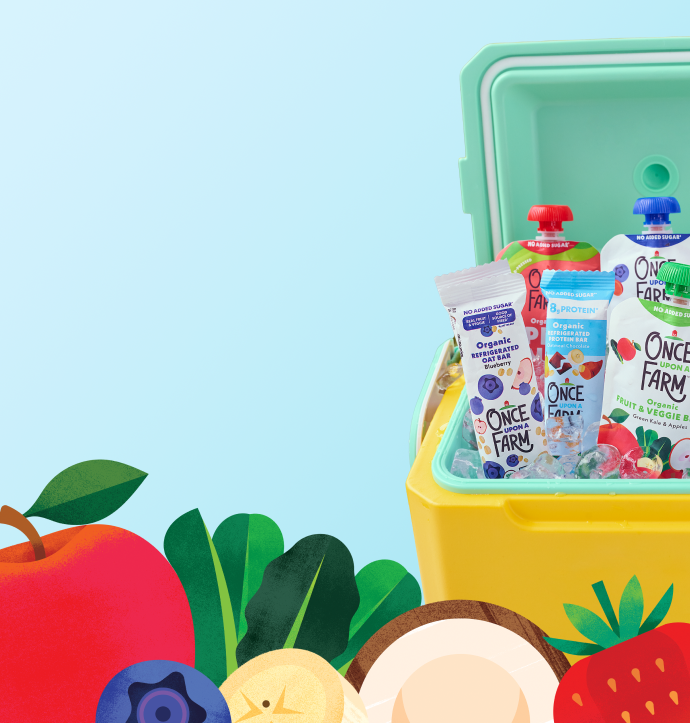
Quick, convenient, and great for on-the-go moments. Look for bars with whole-food protein sources and low to no added sugar. Once Upon a Farm’s Refrigerated Protein Bars and Power Wheels (Blueberry Crumble and Strawberry Shortcake) offer balanced ingredients and kid-friendly flavors.
Callout: Check the protein amount per serving (aim for at least 4g as a helpful benchmark).
8. Protein Smoothies
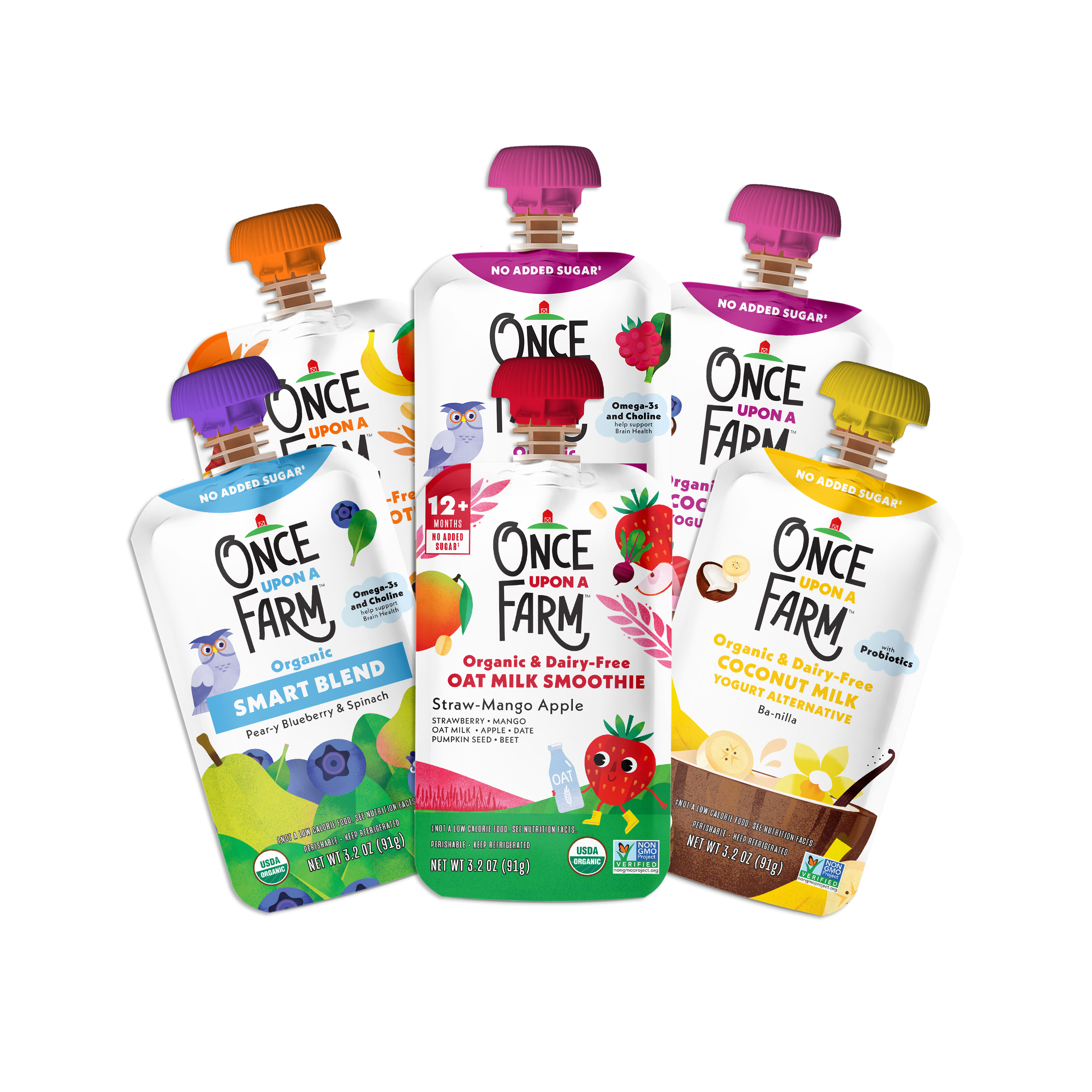
Blend whole milk or soy milk (naturally higher in protein than most plant-based milks), fruit, and a spoonful of nut butter for a satisfying combo of protein, fat, and fiber. Don’t have time to whip out a blender? Try one of Once Upon a Farm’s Smoothies with Protein & Probiotics (Strawberry Splash or Orange Mango Twist), each with a kid-appropriate serving of 4 grams of protein.
We all know protein matters and that kids need it to grow and thrive, but most children don’t need mega-doses or complicated math. Phew. If your little one skips meat, rest assured: balanced meals, snack variety, and a little flexibility go a long way toward meeting their needs and supporting long-term health.


