 Skip to Main Content








If you’ve ever stressed out watching your toddler take a few bites of chicken and then shove their plate away—or your kiddo refuses to eat most (or all) meat—you’re not alone. Protein intake is a very common concern for parents, but the truth is most kids are already doing just fine. And when extra support is needed, small, simple shifts at mealtime can make a meaningful difference.
Here are some simple ways to put your mind at ease and incorporate more protein into your kids’ meals (if needed).
How much protein do kids really need?
Even with updates to the most recent dietary guidelines, protein recommendations for children haven’t changed. For children, the recommended dietary allowances (RDAs) remain:
- 1–3 years: 13g/day
- 4–8 years: 19g/day
- 9–13 years: 34g/day
The good news? These small amounts add up quickly over the course of a day.
Common Protein Myths
Let’s clear up a few common misconceptions.
1. “My child didn’t get enough protein at this meal.”
“Protein needs for young children are actually quite modest,” explains Kacie Barnes, MCN, RDN, LD. “A few bites of chicken, half a cup of milk, some yogurt, or even peanut butter on toast can add up quickly.”
2. “Every meal needs to be protein heavy.”
Kids don’t need a large serving of protein at every meal. “What matters more is overall dietary balance across the day and week,” says Barnes, “not forcing large portions of protein at one sitting."
3. “Protein only comes from meat.”
“Parents tend to underestimate how much protein is found in everyday foods,” Barnes shares. “Grains, dairy, beans, and nuts contribute to total intake.”
8 Easy, Creative Ways to Add Protein to Foods Kids Already Love
Your best approach? Work with what you’ve got. That means adding protein into meals your kids are already excited about. Barnes shares some simple, creative ideas:
- Stir blended cottage cheese or ricotta into pasta sauce (or try cooked and blended red lentils for a dairy-free option)
- Cook rice or pasta in bone broth instead of water
- Add white beans to creamy soups like potato or tomato
- Sprinkle hemp seeds into oatmeal, yogurt + granola, or muffin batter
- Serve peas as a side (1 cup = ~8g protein!)
- Mix cottage cheese into pancake batter for a fluffy protein boost
- Blend smoothies with milk, soy milk, yogurt, or nut butter
- Add nut or seed butter to toast, waffles, or apple slices
Can kids get enough protein from plants?
Spoiler alert: yes, they can. “Children can meet their protein needs with foods like beans, lentils, tofu, soy milk, nut and seed butters, and whole grains,” says Barnes. And there’s no need to perfectly “combine proteins” at every meal—variety across the day is what really counts.
A few helpful tips:
- Choose higher-protein options like soy milk over lower-protein alternatives
- Keep an eye on nutrients like iron and B12 (this is especially important for vegetarian and vegan diets)
- Make sure kids are getting enough overall calories
“With a little planning, plant-based diets can fully support healthy growth,” Barnes adds
“and most kids meet their protein needs more easily than parents think.”
On Protein Bars, Shakes, and Supplements
“Most kids do not need protein bars, powders, or shakes to meet their protein needs,” Barnes explains. That said, they can be helpful in certain situations, such as on-the-go snacks, selective eaters, active kiddos who need extra fuel, or convenient additions to school lunches.
If you do choose a packaged protein snack or drink, here’s what to look for:
- 4–8g of protein per serving (appropriate for most kids)
- Moderate sugar content
- Whole-food ingredients when possible
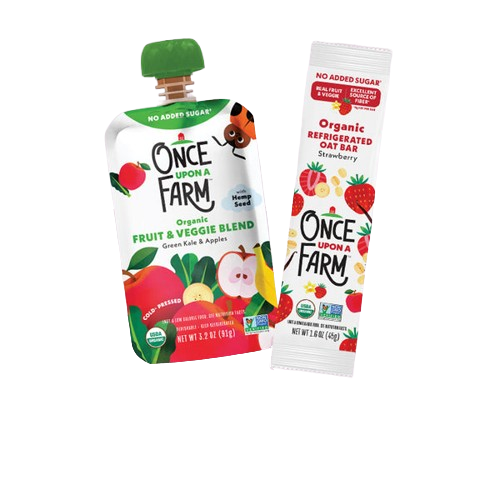
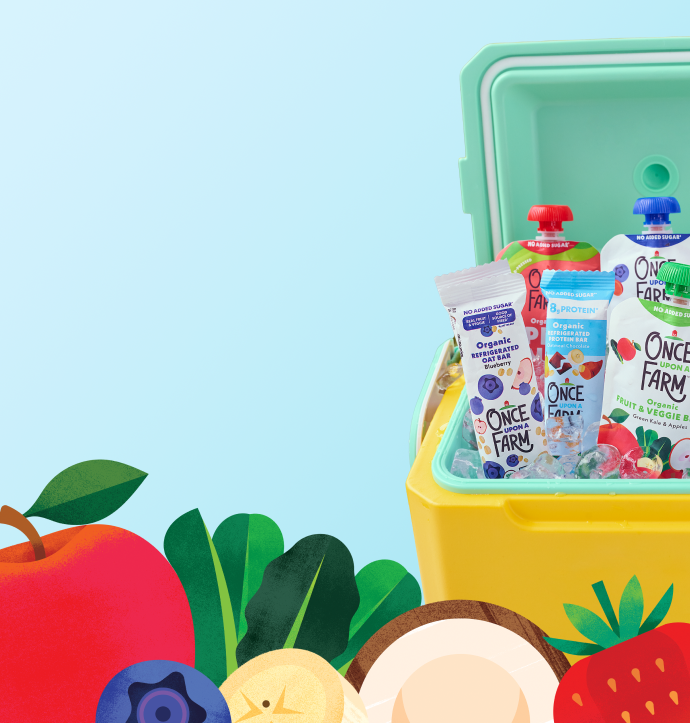
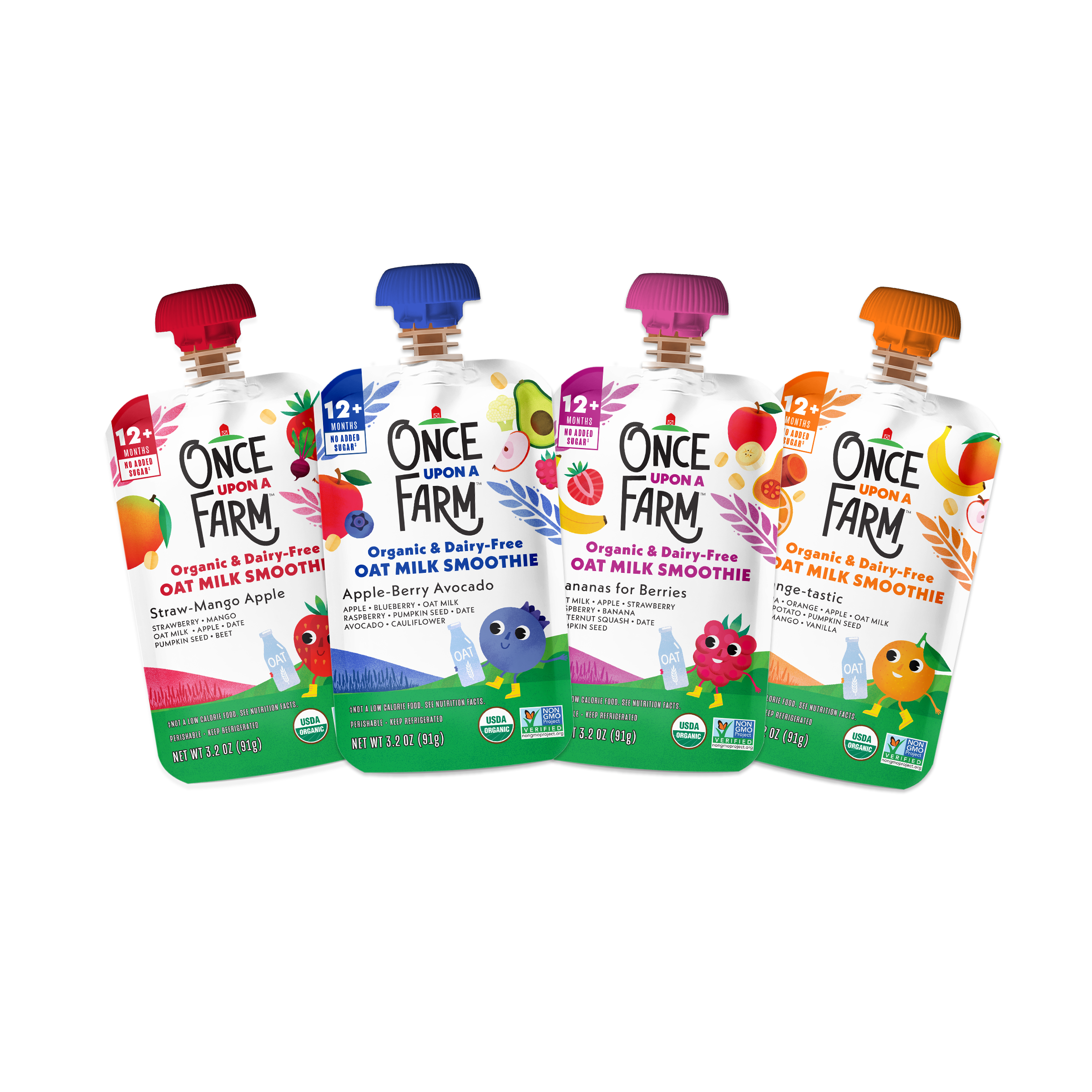
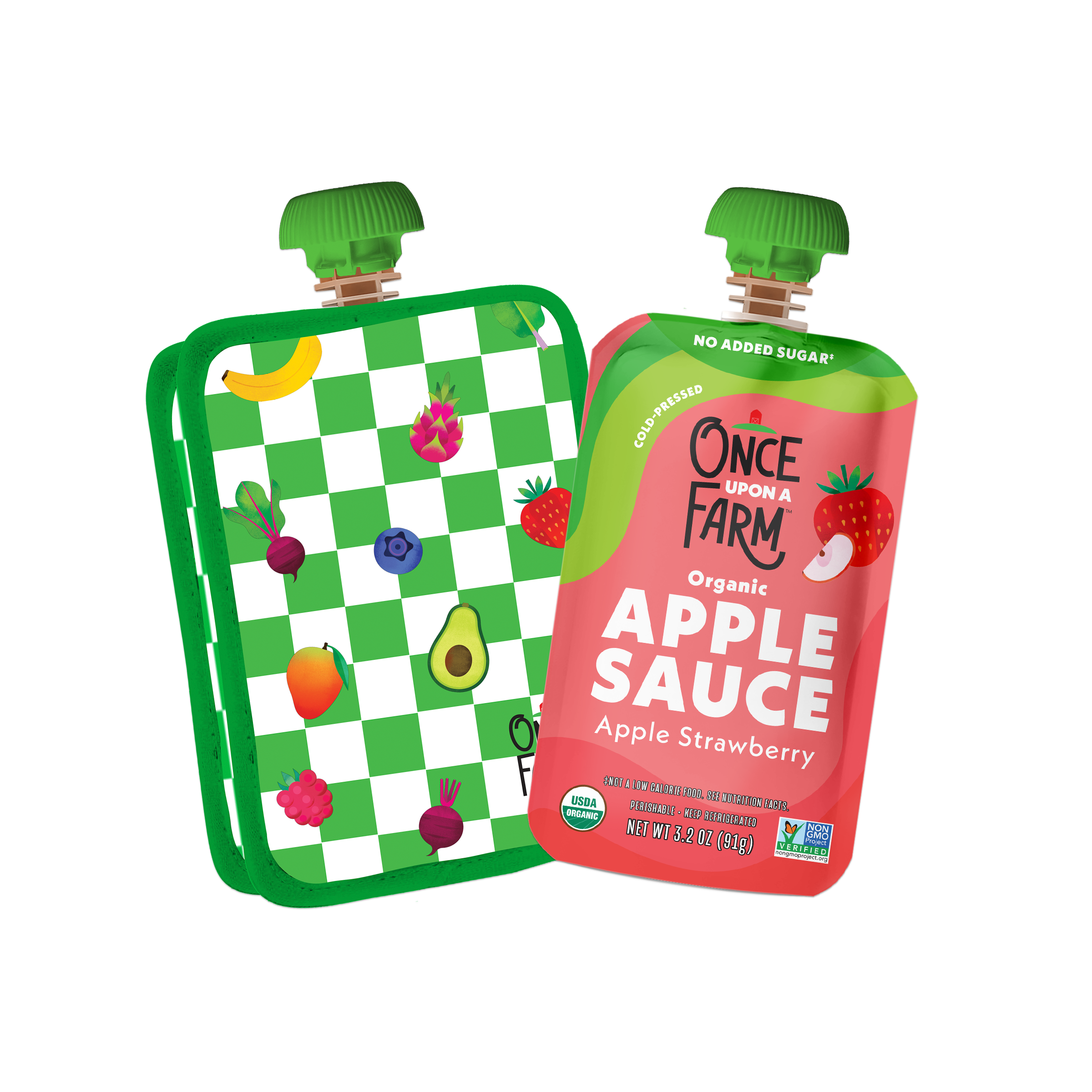
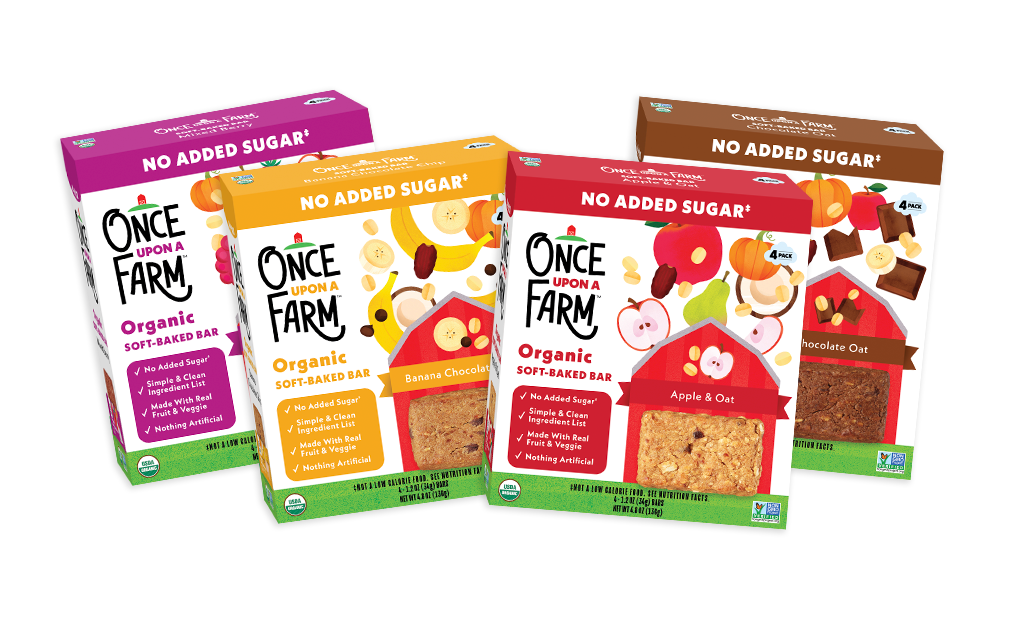
Once Upon a Farm’s Refrigerated Protein Bars and Power Wheels (Blueberry Crumble and Strawberry Shortcake—both coming soon!) are designed with kids’ real needs in mind, providing 4–8 grams of dairy-based protein in formats they’ll love.
Progress, Not Perfection
Like so many parts of parenting, this isn’t about perfection at every meal. Aim for variety, balance, and small, consistent wins throughout the day.


